
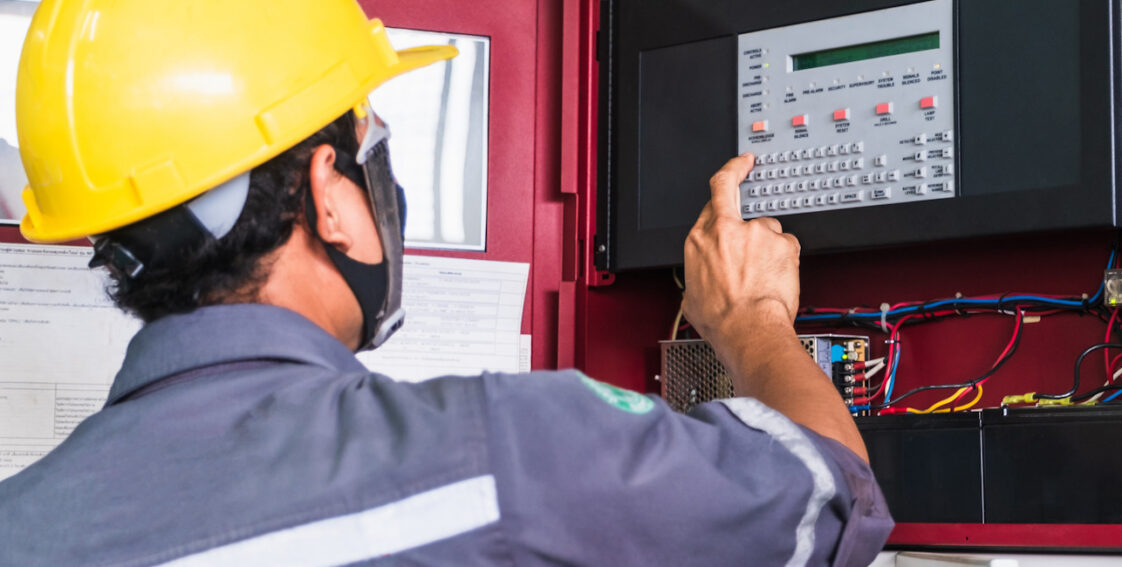
From Sprinklers to Suppression Systems: The Coverage Gaps Fire Protection Contractors Can’t Ignore
Why Fire Protection Contractors Can’t Afford to Cut Corners on Insurance
Fire protection contractors are hired to stop worst-case scenarios. If a suppression system fails, the result can be property loss, injuries, and serious liability. That is why we do not treat this trade like standard contracting work.
This Isn’t a Typical Trade Risk
Sprinkler systems, alarms, suppression systems, and extinguishers carry consequences generic contractor policies often miss. A missed inspection, poor installation, or an undercharged system can turn a small fire into a major loss.
The Coverage That Actually Matters
General liability is only the starting point; one failed system claim can exhaust a standard $1M/$2M limit quickly.
Professional liability, or E&O, helps address design, specification, or inspection errors that general liability may not cover.
Completed operations coverage matters because failures may not surface until years after a job is complete.
Allied also looks closely at inland marine, workers’ compensation, and equipment coverage because this work often involves specialized tools, heights, confined spaces, and pressurized systems.
Being Certified Raises the Bar, It Doesn’t Lower It
NICET certification, NFPA compliance, and state licensing signal competence, but they also raise expectations. We size coverage to the standard that contractors are held to after a loss.
The Real Reason Contractors End Up Underinsured
Contractors usually become underinsured when they are placed in a generic policy that does not reflect their actual work: suppression, alarms, extinguisher service, design, installation, inspection, contracts, and indemnification requirements.
As an independent agency, we compare how carriers treat E&O, completed operations, and contract requirements because similar-looking policies can respond very differently to claims.
Why a Specialized Program Makes the Difference
Through Allied Insurance Managers, our Fire Protection Contractors Insurance Program supports sprinkler and suppression work, fire alarm installation, extinguisher service, backflow testing, pipe fabrication, Ansul and UL 300 kitchen systems, and pre-engineered systems.
Our company focuses the program on the coverages that contractors are most likely to need:
- General liability and umbrella coverage, with umbrella limits available up to $25 million
- Professional liability / E&O for fire protection design and inspection work
- Contractual liability, per-project aggregates, blanket additional insureds, and waiver of subrogation
- Workers’ compensation, contractor’s tools and equipment, property, cyber, EPLI, and bond options
We build coverage around what the contractor does, where they work, and who they work for.
A Nationwide Program Built Around Targeted States
Because fire protection contractors often work across state lines, we review licensing, workers’ compensation rules, contract terms, and carrier appetite by state.
Our program now reaches 45+ states, including Pennsylvania, Texas, California, Florida, Georgia, the Carolinas, New York, New Jersey, Virginia, Colorado, Michigan, Ohio, Illinois, Indiana, Minnesota, Missouri, Wisconsin, and more.
The Team Behind It
Allied Insurance Managers represents top carriers and stays active with NAFED, NFSA, and NFPA, giving us industry relationships and underwriting connections to help negotiate coverage across one state or multiple markets.
Want a second opinion? If you operate in one of our target states or are expanding into new markets, let’s talk about whether your program was built for this trade and structured for where you do business.