
Standard property insurance covers completed, existing buildings, but doesn’t protect properties under construction. Builders’ Risk Insurance, sometimes called Course of Construction Insurance, helps protect the property from common risks, including theft, equipment accidents, weather-related incidents, and more.
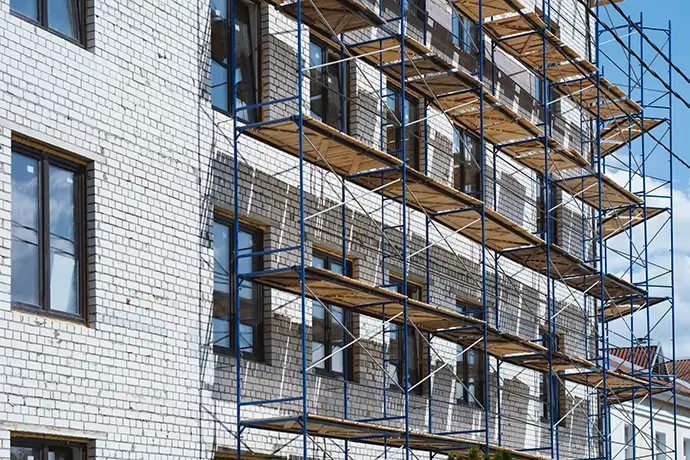
Allied Insurance Managers recommends Builders’ Risk coverage for any company with a financial stake in a new construction, property renovation, and property repair projects, including but not limited to:
Buildings under construction, significant renovation, or repair are subject to significant risks, ranging from theft to natural disasters and fires.
Any situation, such as a crane unexpectedly dropping a load, that causes damage to the project is covered under Builders’ Risk. Damage to the equipment itself is excluded.
These can include hail damage, wind damage, lightning strikes, and other storm-related damage. Flood and earthquake damage are considered excluded perils requiring separate coverage.
Covers stolen materials intended for installation and intentional property damage during the project.
Damage from fires that have accidentally or naturally occurred, as well as third-party arson.
Construction projects require material handling and transportation to and from the job site. Builders’ Risk Insurance protects these materials from damage and theft.
Builders’ Risk can include an optional soft costs coverage that’s triggered when a covered physical loss results in a project delay that may cause an increase in construction loan interest, real estate taxes, consultant fees, permit re-filing, inspection fees, administration costs, relocation expenses, and more.
Allied Insurance Managers is a client-first agency. We help protect businesses across the United States by developing cost-effective insurance programs that are customized based on your unique business risks, ensuring year-round protection. As an independent agency, we’re also partnered with hundreds of trusted carriers, which allows us to find the best premiums for your budget without compromising coverage.
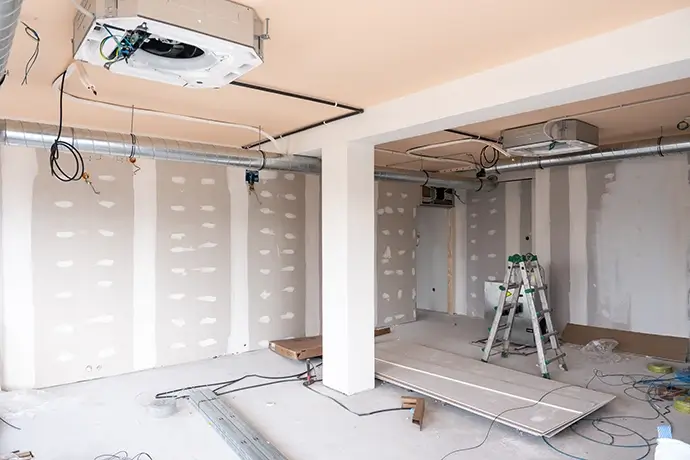
Builders’ Risk excludes coverage for damage related to worker injuries, earthquake damage, flood damage, correcting defective work, employee theft, wear and tear, mechanical breakdown, government action, ordinance or law changes, and mold. The equipment, tools, and vehicles being used to perform the work required for the project are not covered and will require a separate Inland Marine add-on.
Structures and buildings that are under construction or undergoing a major repair or renovation. Onsite materials, equipment, and supplies that are meant for permanent installation, in-transit and materials, are protected. Certain temporary structures may also be covered.
We commonly recommend the following (in addition to Builders’ Risk):
During your consultation, our team will gain a better understanding of your company’s specific risks to determine other recommended coverages.
Term limits vary based on the expected project timeline, and are typically set in 3, 6, 9, or 12-month limits. Larger commercial projects may extend even longer (up to 36 months).
Yes. If a construction project runs longer than its original completion date, extensions are typically available. The extension must be requested before the current policy is set to expire, though, as an extension cannot be awarded retroactively.
Factors influencing cost include the location, project timeline, the estimated completed value of the project, and any additional coverage extensions or policy add-ons.
If you are building a new structure, performing major renovations, or are keeping materials on a job site, we would recommend a Builders’ Risk Insurance policy.
Yes. Builders’ Risk policies can be:
In most cases, either the general contractor or property owner will pay for Builders’ Risk Insurance. The premium may be split among parties as part of contract negotiations or a joint venture.
Yes. Eligibility is determined by total construction value, construction class/construction project type, expected project duration, and general reputation (licensure, experience, loss history, etc.). Coverage should also be bound before work begins.